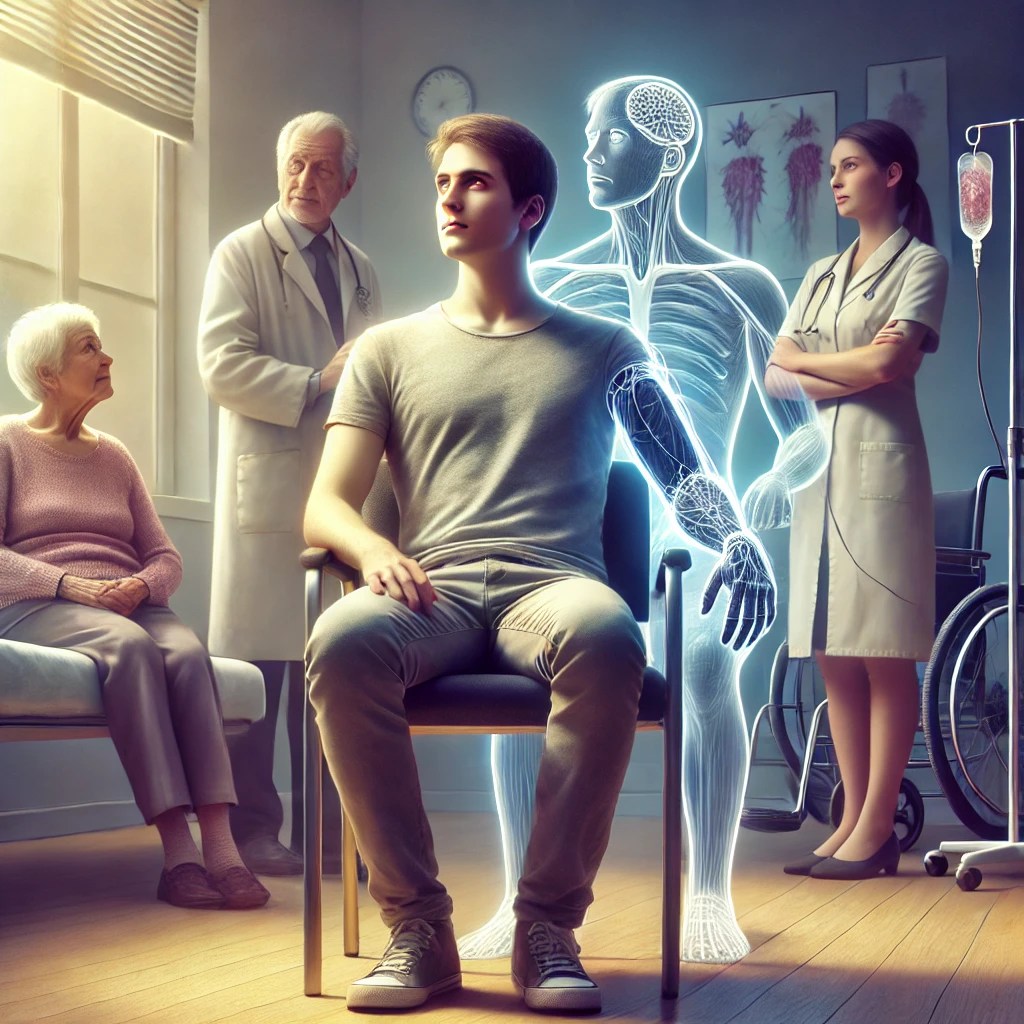
Imagine waking up one day, unable to move one side of your body, but being completely unaware of it. Or worse, denying the fact that you have a serious illness that is clear to everyone around you. This is the world of anosognosia, a condition where individuals are not aware of their own disabilities or illnesses. It’s a puzzling phenomenon that defies logic and challenges our understanding of self-awareness.
Anosognosia is most commonly associated with neurological disorders, especially after a stroke or in the later stages of dementia. People who suffer from it might be paralyzed or cognitively impaired, yet insist they are perfectly healthy. This can be baffling not just to medical professionals but to loved ones who are desperately trying to help. The person’s genuine lack of awareness creates a frustrating barrier between their reality and what is objectively true. What makes anosognosia so intriguing is that it’s not simply denial. Denial is a psychological defense mechanism where a person avoids facing a difficult truth. Anosognosia, on the other hand, is not a choice. The brain itself is unable to process or acknowledge the impairment. It’s as if the circuits responsible for self-perception have been disrupted, leaving the individual blind to their own condition. One of the most complex aspects of anosognosia is that the affected person might develop elaborate explanations to justify their perceived normality. For example, someone with paralysis on their left side might explain their lack of movement as being too tired or claim they are choosing not to move. These explanations are often detailed and seem rational, but they stem from the brain’s inability to recognize the damage within itself.
Anosognosia can be particularly difficult to address in medical treatment. If a person doesn’t believe they have a problem, they’re unlikely to seek treatment or adhere to a care plan. This can lead to complications in managing conditions like stroke recovery, schizophrenia, or Alzheimer’s disease. Convincing someone to follow a treatment plan when they are convinced they don’t need one requires a delicate and compassionate approach. Therapists, caregivers, and loved ones often find themselves in a tricky position. They must balance understanding the neurological underpinnings of anosognosia with the emotional toll it takes on everyone involved. For the patient, the world seems normal, but for those around them, it’s a battle to provide the necessary care without triggering frustration or resistance. Patience and persistence are essential in navigating these dynamics, but even then, progress can be slow and uncertain. Current research into anosognosia suggests that it may be caused by damage to specific areas of the brain, such as the frontal or parietal lobes, which are responsible for self-awareness and perception. This damage disrupts the brain’s ability to integrate information about the body or mind’s state, leading to the unawareness of deficits. However, the exact mechanisms are still being studied, and there is much more to learn about why some individuals experience anosognosia while others with similar brain injuries do not.
Treatment for anosognosia is challenging because it’s not something that can be “fixed” in the traditional sense. In some cases, awareness may return as the brain heals, especially after a stroke. However, in many chronic conditions like dementia, anosognosia tends to persist. Cognitive rehabilitation techniques and therapeutic interventions can sometimes help a person become more aware of their condition, but success is often limited. The world of anosognosia invites deeper questions about the nature of self-awareness and how our brains construct our understanding of reality. It’s a stark reminder of how fragile and complex the human mind is, and how easily it can be tricked or impaired.
What happens when the very tool we use to understand the world—the brain—fails to recognize its own dysfunction?
For those living with anosognosia and their families, the journey is difficult, but not without hope. Continued research into brain function and awareness offers potential pathways for better treatments and interventions. In the meantime, patience, empathy, and a willingness to engage with this strange and fascinating condition are the most powerful tools we have.
 Dott.Simone Borreca Psicoterapeuta CBT Home
Lascia un commento