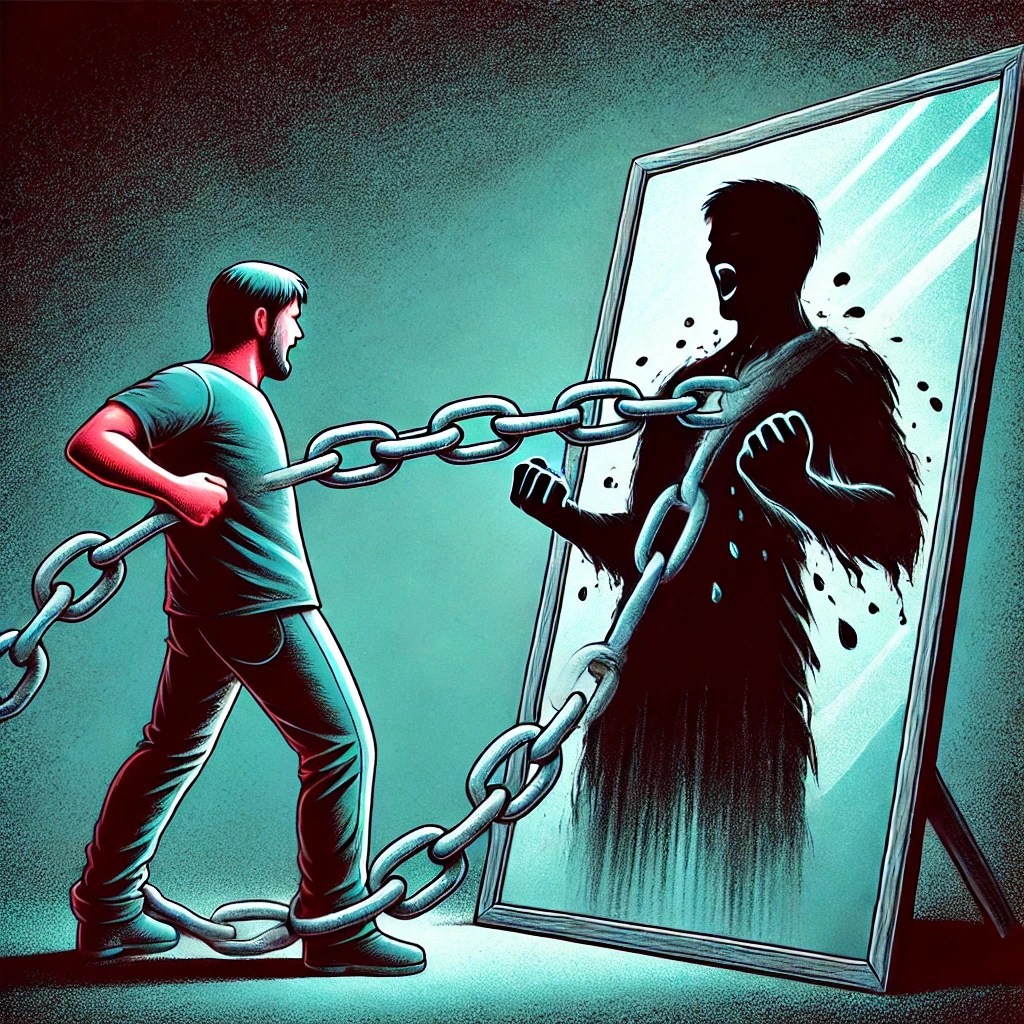
It’s a difficult truth to face, but often the person standing in the way of your success, happiness, and personal growth is you. The idea that you are your own worst enemy might feel harsh, but it’s a reality many people struggle with on a subconscious level. Whether it’s through self-doubt, procrastination, fear, or perfectionism, the barriers you face are often the ones you create for yourself. Recognizing this truth is the first step toward breaking the cycle and taking control of your life.
Self-sabotage manifests in various forms, and the first challenge is recognizing the patterns that hold you back. Maybe you’re afraid of failure, so you avoid trying new things. Maybe you’re a perfectionist, so you procrastinate because you can’t start something unless you know it will be perfect. Or perhaps you’ve convinced yourself that you’re not good enough, so you don’t even bother pursuing your goals. These behaviors, while often unintentional, are how we become our own worst enemies. One of the most common ways we sabotage ourselves is through negative self-talk. The inner critic is a powerful force that can undermine your confidence and make you feel incapable of achieving anything worthwhile. Phrases like “I’ll never be good enough,” or “Why bother trying?” serve no purpose other than reinforcing your fears and insecurities. Over time, this constant negativity can become a self-fulfilling prophecy, keeping you stuck in a cycle of underachievement and frustration. Overcoming this self-sabotaging behavior begins with awareness. You must first identify the ways in which you are holding yourself back. Are you avoiding opportunities because you’re afraid of rejection? Do you start projects with enthusiasm but lose interest when they don’t go perfectly? These are signs that you’re getting in your own way. Take time to reflect on the patterns in your life where you tend to undermine your success or happiness. Once you’ve identified these patterns, the next step is to challenge them. It’s not enough to recognize that you’re holding yourself back—you have to actively work against it. Start by questioning the validity of your negative thoughts. Are they based on facts or simply fears? Is there real evidence that supports your self-doubt, or is it something you’ve internalized over time? By reframing these thoughts, you can begin to shift your mindset from one of self-sabotage to one of self-compassion and growth. It’s also important to set realistic expectations for yourself. Many people become their own worst enemy by setting impossible standards and then punishing themselves when they fall short. Instead of aiming for perfection, focus on progress. Celebrate small wins and milestones, recognizing that growth is a gradual process. By being kinder to yourself and embracing imperfection, you can reduce the pressure and anxiety that often lead to procrastination and avoidance.
Fear is another major component of self-sabotage. The fear of failure, rejection, or judgment can be paralyzing, causing you to remain stuck in your comfort zone. But growth doesn’t happen in comfort. It’s only by pushing past your fears and taking risks that you can truly achieve your potential. Yes, there will be setbacks, and yes, there will be moments of discomfort. But these experiences are part of the journey, and they offer valuable lessons that help you grow stronger and more resilient. The truth is undeniable: you are both the obstacle and the solution. You have the power to break free from the patterns that hold you back and to stop being your own worst enemy. The journey won’t be easy—it requires self-awareness, discipline, and a willingness to challenge deeply ingrained habits. But by facing this truth, you can unlock your potential, achieve your goals, and finally get out of your own way.
It’s time to stop sabotaging yourself and start becoming your own greatest ally. The truth may be hard to hear, but once you confront it, you open the door to real change and growth. You are in control of your future—don’t let the person holding you back be yourself.
 Dott.Simone Borreca Psicoterapeuta CBT Home
Lascia un commento