
Emotional dependency can be one of the most suffocating forms of entrapment within a relationship. It often disguises itself as love, support, or devotion, but beneath the surface, it can lead to a loss of self, autonomy, and personal growth. When you’re emotionally dependent, you rely heavily on your partner for validation, self-worth, and happiness, which can quickly evolve into a toxic cycle that’s hard to break. However, reclaiming your life and breaking free from this cage is not only possible, it’s essential for your well-being and long-term happiness. The first step in liberating yourself from emotional dependency is acknowledging its presence. This may seem simple, but many people mistake emotional dependency for intense affection or loyalty. Ask yourself: Do you feel incomplete or worthless without your partner’s approval? Do you frequently compromise your values or desires to keep the peace or avoid conflict? These are signs that you may be emotionally dependent. Recognizing these patterns is key to starting the journey toward freedom. Once you’ve acknowledged the issue, it’s important to take steps to reconnect with your own identity. Emotional dependency often causes individuals to lose sight of their sense of self. You might have given up hobbies, friendships, or career goals to prioritize the relationship. Now is the time to rediscover what makes you, you. Start by setting aside time to engage in activities that make you feel fulfilled and confident. Whether it’s pursuing a passion, developing new skills, or reconnecting with old friends, these small actions will help you rebuild your identity outside of the relationship. Establishing boundaries is another critical aspect of breaking free from emotional dependency. When you’re dependent, you might feel the need to constantly be available for your partner, putting their needs above your own. Learning to say no and setting limits on how much emotional labor you take on is vital. Boundaries will protect your emotional energy and allow you to focus on your own well-being, which is especially important in a toxic relationship where manipulation and control are often at play.
A toxic relationship thrives on imbalance—one partner holding power, while the other becomes increasingly dependent. Breaking this cycle means reclaiming your power. Therapy can be an excellent resource to help you explore the underlying causes of your emotional dependency and to learn healthy ways to assert your needs. Cognitive-behavioral therapy (CBT) or individual counseling can provide tools to shift your mindset from dependency to empowerment. Building self-worth is perhaps the most important part of the journey. Emotional dependency often stems from low self-esteem or a deep-seated fear of abandonment. By cultivating a healthy relationship with yourself, you’ll be less likely to rely on others for validation. Practice self-compassion, challenge negative self-talk, and celebrate your achievements, no matter how small. Remember, you are whole and worthy of love, regardless of anyone else’s opinion or approval. Finally, consider whether it’s time to walk away from the toxic relationship altogether. While some relationships can improve with boundaries and self-work, others are too toxic to salvage. If your partner consistently undermines your efforts to grow, manipulates you, or makes you feel small, leaving may be the healthiest option. It’s not an easy decision, but sometimes the best way to reclaim your life is to let go of what’s holding you back.
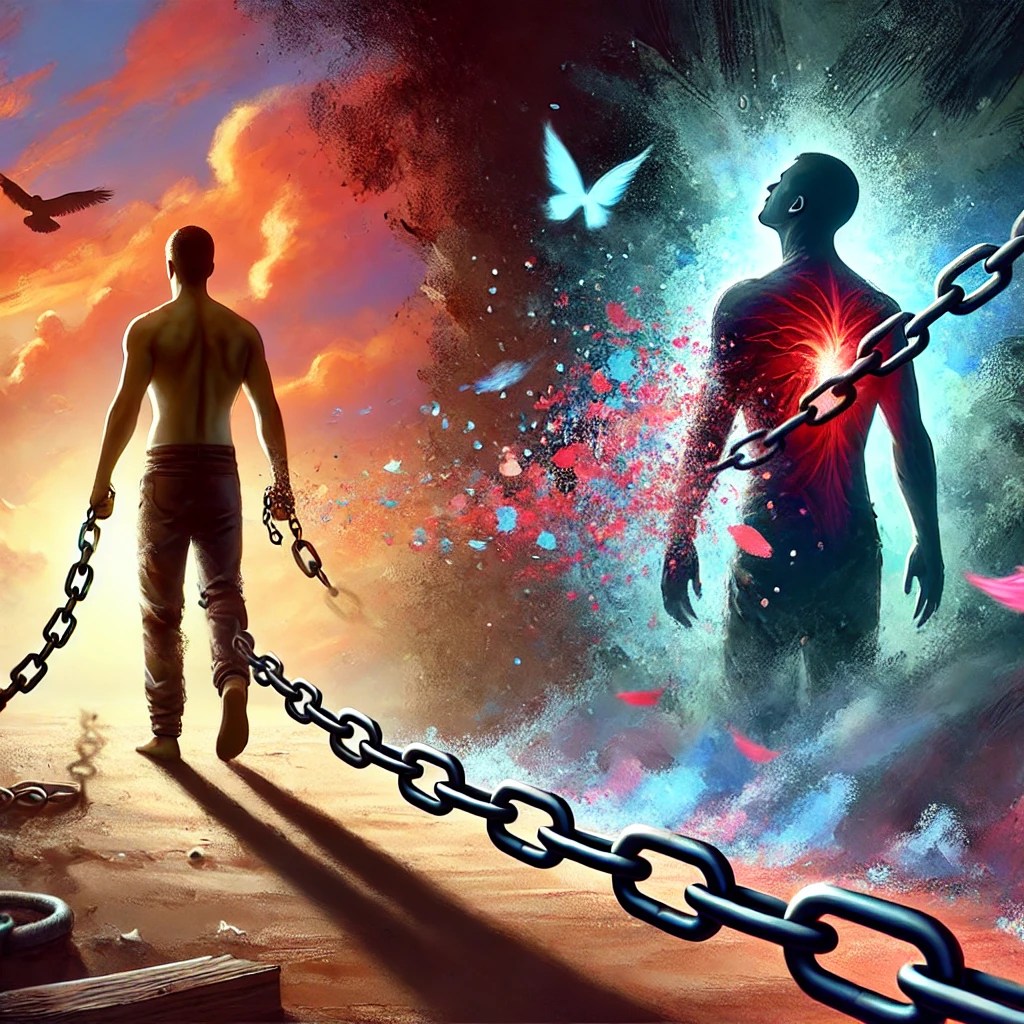
Breaking free from emotional dependency is a transformative process that requires patience, courage, and self-awareness. By taking these steps, you can liberate yourself from the confines of a toxic relationship and regain control of your happiness, self-worth, and future. You deserve to live a life where you feel empowered, loved, and fulfilled—not trapped by emotional chains.
 Dott.Simone Borreca Psicoterapeuta CBT Home
Lascia un commento